


Pulling all the information together for a meaningful management review meeting for your laboratory can be an overwhelming task, so it’s understandable that many labs try to make it as painless as possible. The problem is that sometimes the review itself ends up having no real value. A detailed, well-constructed management review can make the difference between real change and just going through the motions for an accreditation body. Here’s what we’ve learned from years of facilitating them.
Why most management reviews don’t deliver
The sad truth about many management reviews that we see (but definitely not all) is that most of the report exists so accreditation bodies like NATA can tick it off. The prevailing thinking seems to be that no one reads the review anyway, so it’s not treated as a useful document. The real decision-making happens elsewhere, and at best, the management review records decisions that have already been made. This might be workable in a very small operation, but it becomes increasingly risky as your team grows.
In our experience, the same issues come up repeatedly:
- Quality manager prepares a review report without senior management involvement
- No data: decisions based on memory and gut feel rather than evidence
- Data that isn’t tracked over time (test numbers, turnaround time, complaints and so on)
- Too much data with no clear focus
- No attempt to introduce new ideas or expansive thinking into the process (future trends, emerging risks, opportunities, etc)
- Trying to cover too much in one meeting or not meeting often enough
- No actions recorded, no action by dates, no individual accountability
- Last year’s minutes updated and recycled for the current year.
Any one of these will undermine the value of your review, and if you allow several of them to happen in the same report, you’re limiting the value it has to your business. While an important outcome of a management review is to meet an accreditation body’s requirements, a review also has the potential to enhance your lab’s processes and functioning.
How to run a management review that actually works
Developing a robust management review process that your team will want to engage with is not rocket science, but it can take a while to get it all running smoothly. Here’s how we approach it with our clients.
The first step is to work with the data you already have. Most laboratories are sitting on more useful information than they realise; it’s just not being captured or presented in a way that supports good decision-making. We suggest you start there.
Once you’ve identified what data is worth reporting, the next step is to systematise it as much as possible. That might mean recording a little more detail when samples are booked in or finding a way to track turnaround times consistently. The goal is to make report preparation straightforward, not a project in itself.
From there, the process looks like this:
- Develop standardised reports for each topic and define how they are produced so you can make meaningful comparisons year to year**.
- Have all the reports ready before you call the meeting.
- Send the agenda with reports attached, and keep it focused.
- Use the meeting itself to discuss the data, explore trends and make decisions.
- Record actions, assign accountability and set deadlines.
Don’t underestimate the value of tracking results over consecutive years. Seeing genuine improvement over time is one of the most useful things a management review can produce. It’s also one of the most motivating for the people involved.
What good looks like
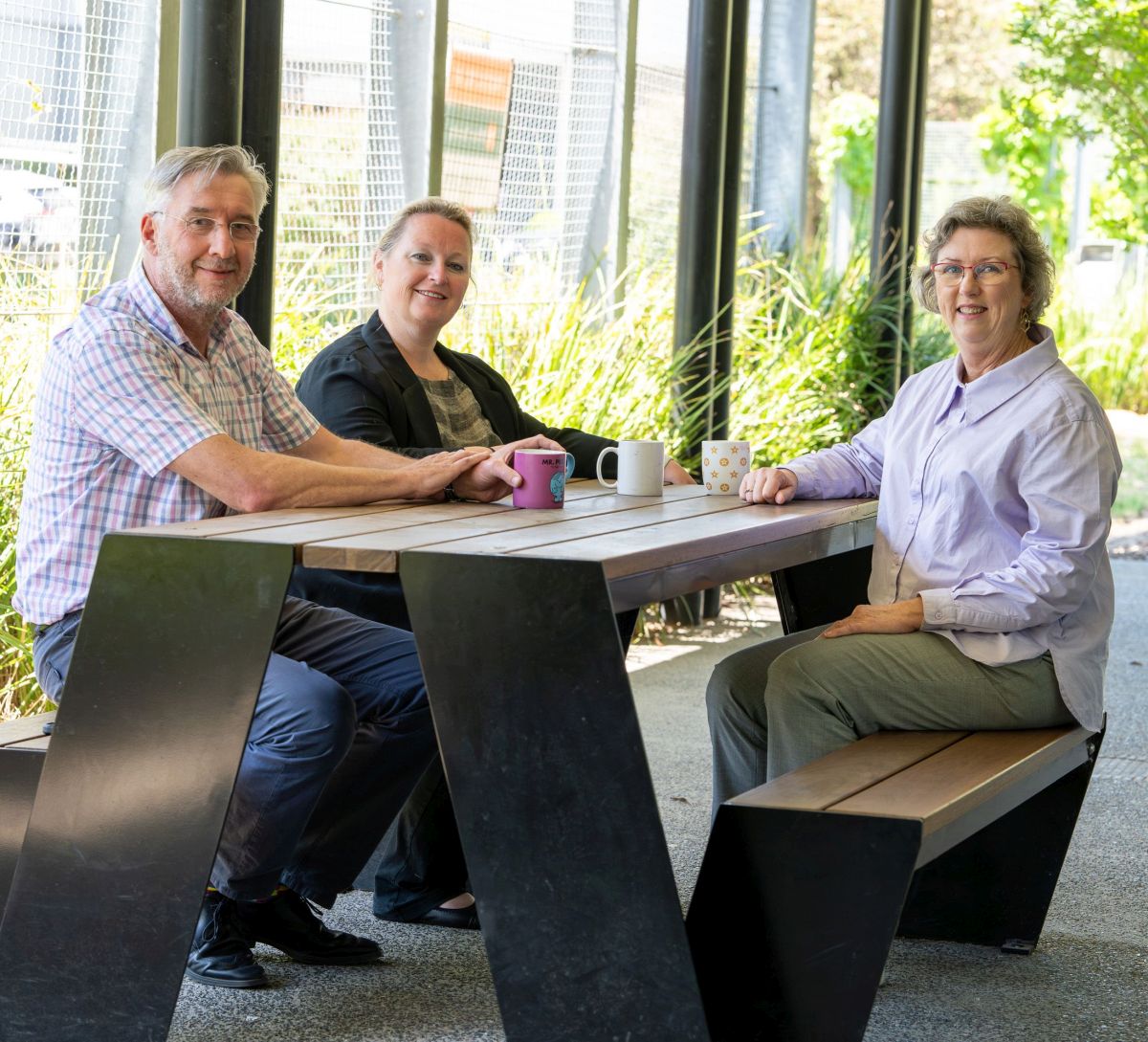
Our clients regularly tell us that management reviews facilitated by our team are among the most valuable they’ve experienced. That’s not because we do anything mysterious; it’s because we bring an outside perspective, ask the questions that don’t always get asked internally and keep the process honest and focused.
Facilitating management reviews is one of the services included in our Sustain package, and it’s one our clients find particularly valuable for staying accountable and on track between assessments.
If you’d like to talk about what a better management review process could look like for your laboratory, we’d be glad to help.
** If you’d like to learn about how to present information graphically, Nick Desbarats has great tips on his YouTube channel. I had to slow the speed a little for this one 😊